




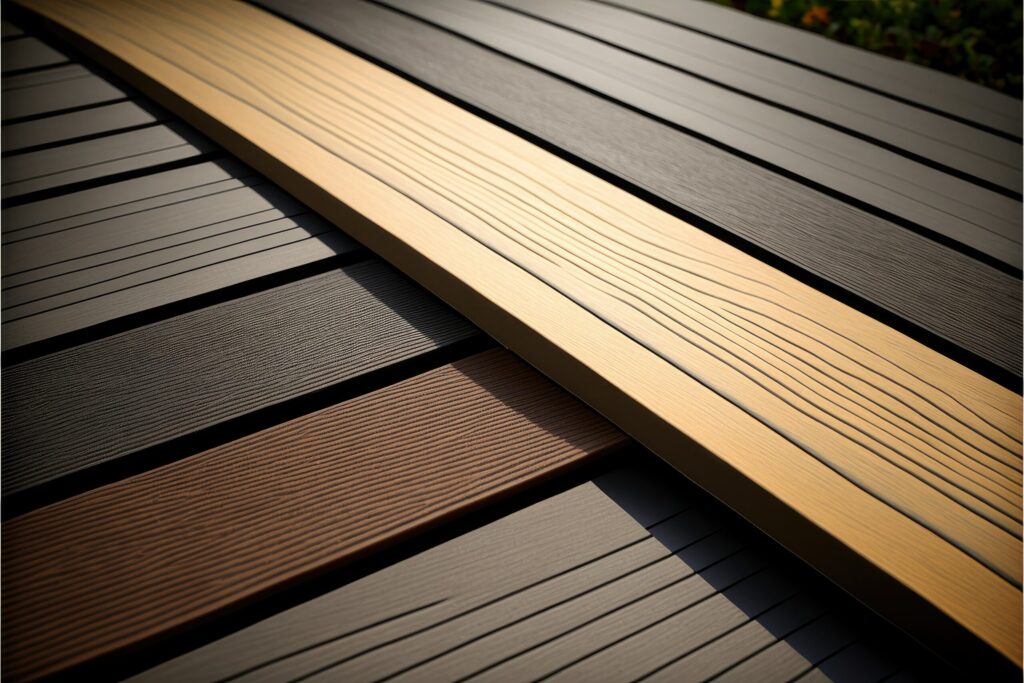
Choosing between wooden decks and composite materials represents one of the most important decisions you’ll make when planning your outdoor living space. Both options offer distinct advantages, and understanding the differences helps ensure your investment aligns with your lifestyle, maintenance preferences, and aesthetic vision. For homeowners in Franksville, the choice between these two popular decking materials can significantly impact your enjoyment and long-term satisfaction with your outdoor retreat.
The Timeless Appeal of Natural Wood
Natural wood has graced American homes for generations, offering warmth, character, and beauty that many homeowners find irreplaceable. The authentic grain patterns, rich textures, and organic feel of real wood create an inviting atmosphere that complements virtually any architectural style. Whether you prefer the honey tones of cedar, the deep hues of redwood, or the affordability of pressure-treated pine, wooden decks deliver classic appeal that never goes out of style.
Beyond aesthetics, wood provides immediate visual warmth and a traditional look that many Franksville property owners seek. The material feels natural underfoot, remains cooler in direct sunlight compared to some synthetic alternatives, and can be customized with stains and sealants to achieve your desired color palette. For those who appreciate authentic materials and don’t mind periodic maintenance, wooden decks remain an excellent choice that connects outdoor spaces with nature.
Understanding Composite Decking Benefits
Composite decking has revolutionized the outdoor living industry by offering a low-maintenance alternative that mimics the appearance of natural wood without the upkeep demands. Manufactured from a blend of wood fibers and recycled plastics, composite materials resist fading, staining, scratching, and moisture damage that often plague traditional lumber. Homeowners who prioritize convenience and durability frequently choose composite options for their resistance to rot, insects, and splintering.
The engineering behind composite decking delivers consistent quality and performance year after year. Unlike natural wood that requires regular staining, sealing, and refinishing, composite materials maintain their appearance with simple soap and water cleaning. Available in numerous colors and wood-grain patterns, modern composite products closely replicate the look of natural lumber while offering superior longevity and reduced environmental impact through recycled content.
Maintenance Requirements and Time Investment
Maintenance considerations often determine which material best suits your lifestyle and schedule. Wooden decks require dedicated care including annual cleaning, staining every two to three years, and periodic board replacement as weathering occurs. This ongoing maintenance protects your investment and preserves the deck’s appearance, but it demands time, effort, and recurring expenses that some homeowners prefer to avoid.
Composite decking dramatically reduces maintenance obligations, requiring only occasional washing to remove dirt and debris. Without the need for staining, sealing, or sanding, composite materials free up your weekends for relaxation rather than deck maintenance. However, composite surfaces can retain heat in direct sun and may require specific cleaning products for stubborn stains. For Franksville residents seeking minimal upkeep, composite options provide convenience, while those who enjoy hands-on property care may appreciate the traditional approach natural wood requires.
Cost Considerations and Long-Term Value
Initial installation costs differ significantly between wood and composite alternatives. Natural lumber typically offers lower upfront expenses, making it attractive for budget-conscious projects or those seeking maximum square footage within specific financial parameters. Pressure-treated lumber provides the most economical option, while premium species like cedar and redwood increase initial investment but deliver enhanced natural durability.
Composite decking commands higher purchase and installation prices, sometimes costing double what wooden decks require initially. However, when factoring in long-term maintenance expenses including stains, sealers, cleaning supplies, and labor for wood upkeep, composite materials often prove more economical over their lifespan. Additionally, composite decking warranties typically extend twenty-five years or longer, providing peace of mind that natural materials cannot match without diligent maintenance.
Environmental Impact and Sustainability
Sustainability-minded homeowners in Franksville increasingly consider environmental factors when selecting decking materials. Natural lumber sourced from responsibly managed forests offers renewable, biodegradable options that sequester carbon during tree growth. Choosing FSC-certified lumber ensures your deck supports sustainable forestry practices, making natural wood an environmentally responsible choice when properly sourced.
Composite decking contributes to sustainability through recycled content, diverting plastic waste from landfills while reducing demand for virgin lumber. The extended lifespan and reduced maintenance chemicals associated with composite materials further enhance environmental benefits. Both options offer green advantages depending on sourcing, manufacturing processes, and end-of-life disposal considerations, allowing homeowners to make informed choices aligned with personal environmental values.
Making Your Decision with Confidence
Selecting between wooden decks and composite materials ultimately depends on your priorities regarding aesthetics, maintenance, budget, and lifestyle. If you value authentic natural beauty, enjoy periodic maintenance projects, and seek lower initial costs, wood provides timeless appeal and satisfying hands-on ownership. Conversely, if convenience, longevity, and minimal upkeep rank highest, composite decking delivers modern performance that maximizes outdoor enjoyment while minimizing maintenance obligations.
Transform Your Outdoor Living Space Today
Whether you’re drawn to the classic charm of natural wood or the innovative convenience of composite materials, the right choice enhances your Franksville home’s value and your family’s quality of life. Professional guidance ensures your deck project meets your specific needs, budget, and design vision while delivering lasting satisfaction.
Ready to explore your decking options and create the outdoor retreat you’ve been envisioning? Contact Excel Custom Decks at (414) 333-1888 to discuss your project, compare material samples, and receive expert recommendations tailored to your unique requirements and preferences.
Frequently Asked Questions
How long do wooden decks last compared to composite decks?
Properly maintained natural wood typically lasts fifteen to twenty years, while composite materials often exceed twenty-five to thirty years with minimal maintenance, making longevity a key consideration.
Can you stain composite decking like wooden decks?
Composite decking cannot be stained or painted as natural wood can, so color selection at installation is permanent, though quality products resist fading for decades.
Which type of deck is better for cold climates like Franksville?
Both natural wood and composite materials perform well in cold climates, though lumber may require more frequent inspection after freeze-thaw cycles while composite resists moisture damage more effectively.