



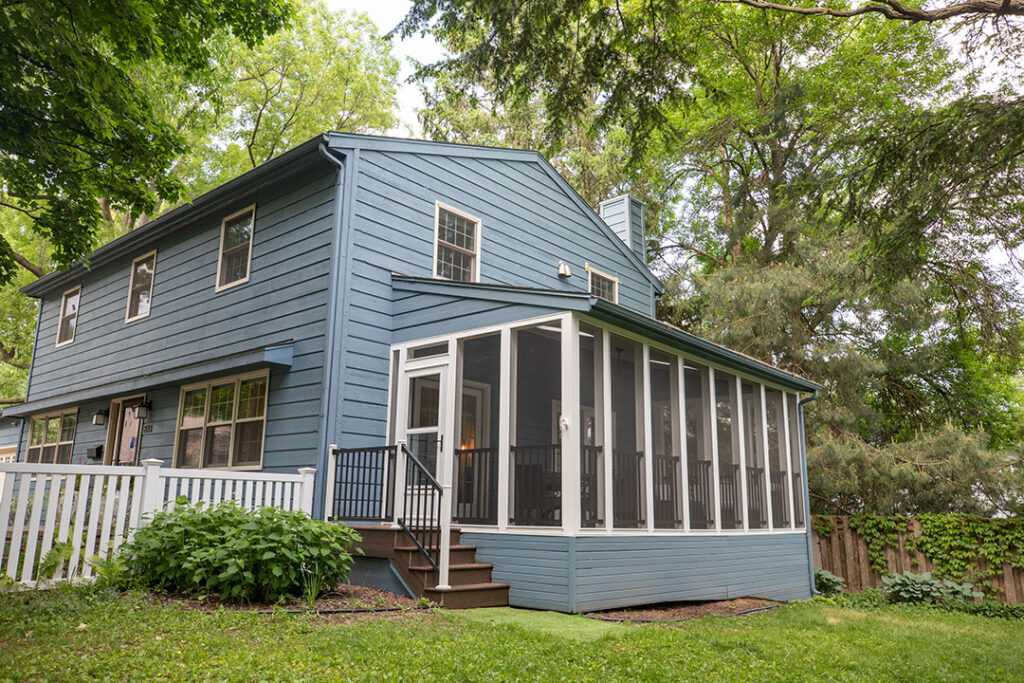
Building a porch is more complex than many homeowners realize. What appears to be a straightforward construction project often involves navigating numerous obstacles that can turn a dream outdoor space into a nightmare if not properly addressed. Professional porch builders encounter these challenges daily and have developed proven strategies to overcome them while delivering exceptional results.
Weather and Seasonal Constraints
The Impact of Climate on Construction Timelines
Weather remains one of the most unpredictable factors in porch construction. Rain, snow, extreme temperatures, and high humidity can halt progress for days or even weeks. This is particularly challenging for porch builders in Wisconsin, where seasonal weather patterns can dramatically impact project timelines. Experienced builders plan projects around seasonal patterns, understanding that spring and fall typically offer the most favorable conditions.
Professional porch builders maintain flexible scheduling systems that account for weather delays. They often have multiple projects in various stages, allowing them to shift resources when weather prevents work on one site. Additionally, they invest in weather protection equipment like temporary roofing and tarps to continue work during light precipitation.
Material Protection Strategies
Protecting materials from moisture damage requires careful planning. Quality porch builders use covered storage areas and moisture barriers to safeguard lumber, fasteners, and finishing materials. They also understand which tasks can safely continue in marginal weather conditions and which must wait for optimal conditions.
Foundation and Structural Engineering Issues
Dealing with Uneven Ground and Drainage
Every property presents unique foundation challenges. Sloped terrain, poor drainage, and existing landscape features can complicate porch construction significantly. Professional porch builders conduct thorough site assessments before beginning work, identifying potential issues early in the planning phase.
Proper drainage solutions often require creative engineering approaches. This might involve installing French drains, adjusting grade levels, or incorporating retaining walls into the design. Experienced porch builders understand local Wisconsin soil conditions and building codes, ensuring foundations meet structural requirements while addressing site-specific challenges.
Integration with Existing Structures
Connecting new porches to existing homes requires precise measurements and structural analysis. Porch builders must ensure the new construction complements the home’s architecture while meeting current building codes. This often involves working around existing utilities, windows, and doors that cannot be easily relocated.
Permitting and Code Compliance Complexities
Navigating Local Building Regulations
Building codes vary significantly between municipalities, and staying current with changing regulations requires ongoing education. Professional porch builders maintain relationships with local building departments and regularly update their knowledge of Wisconsin code requirements.
The permitting process can be lengthy and complex, particularly for larger porch projects or those in historic districts. Experienced porch builders factor permit approval time into their project schedules and work closely with inspectors to ensure compliance at every stage.
Structural Requirements and Safety Standards
Modern building codes prioritize safety, requiring specific structural elements that weren’t necessary in older construction. This includes proper railing heights, baluster spacing, stair dimensions, and load-bearing calculations. Professional porch builders understand these requirements and incorporate them into their designs from the beginning.
Material Selection and Supply Chain Challenges
Quality vs. Budget Considerations
Homeowners often struggle to balance their vision with budget constraints. Professional porch builders help navigate these decisions by explaining the long-term implications of material choices. They understand which areas warrant premium materials and where cost-effective alternatives can achieve similar results.
Educating clients about material lifecycles, maintenance requirements, and warranty coverage helps them make informed decisions. Experienced porch builders maintain relationships with multiple suppliers, ensuring access to quality materials at competitive prices.
Supply Chain Disruptions and Lead Times
Recent years have highlighted the importance of supply chain management in construction. Professional porch builders adapt by maintaining relationships with multiple suppliers, ordering materials well in advance, and having backup options for critical components.
They also communicate transparently with clients about potential delays and work together to find solutions that keep projects moving forward. This might involve adjusting design elements to accommodate available materials or phasing construction to work around supply constraints.
Design Integration and Aesthetic Challenges
Matching Existing Architecture
Creating porches that seamlessly integrate with existing home architecture requires both technical skill and artistic vision. Porch builders must consider rooflines, siding materials, window styles, and overall proportions to achieve cohesive results.
This challenge becomes more complex with older homes that feature unique architectural details or non-standard dimensions. Professional porch builders often work with architects or designers to develop custom solutions that honor the home’s character while meeting modern functional requirements.
Balancing Form and Function
Porches must be both beautiful and practical. This means incorporating adequate lighting, electrical outlets, ceiling fans, and storage while maintaining clean, attractive lines. Experienced porch builders understand how to integrate these functional elements without compromising the design aesthetic.
Ready to Transform Your Outdoor Space?
These challenges highlight why porch construction requires specialized expertise and careful planning. While the obstacles are real, they’re entirely manageable with the right approach and professional guidance.
Excel Custom Decks brings years of experience to every porch project in Wisconsin. Our team understands local Wisconsin building codes, climate challenges, and design preferences that make outdoor spaces both beautiful and functional. We handle everything from initial design through final inspection, ensuring your project stays on schedule and within budget.
Don’t let construction challenges prevent you from enjoying the porch of your dreams. Contact Excel Custom Decks at (414) 333-1888 to discuss your project. Our experienced team will assess your property, explain the process, and provide a detailed timeline that accounts for all potential challenges. Let us handle the complexities while you focus on envisioning your perfect outdoor living space.
Frequently Asked Questions
Q: How long does a typical porch construction project take? A: Most porch project timelines depend on size and complexity. Weather, permitting, and material availability can affect these timelines.
Q: Do I need a permit for porch construction? A: Most porch projects require building permits. Requirements vary by municipality and project scope. Professional contractors typically handle permit applications and inspections.
Q: What’s the best time of year to build a porch? A: Spring and fall generally offer the most favorable weather conditions. However, experienced builders can work year-round by adjusting techniques for seasonal conditions.
Q: How do builders handle unexpected structural issues? A: Professional contractors conduct thorough site assessments before starting work. When unexpected issues arise, they provide detailed explanations and solution options, adjusting timelines and budgets transparently.
Q: Can porches be built on sloped terrain? A: Yes, but sloped sites require additional engineering and foundation work. This might include retaining walls, stepped foundations, or specialized drainage solutions.